01 Arrival Essentials
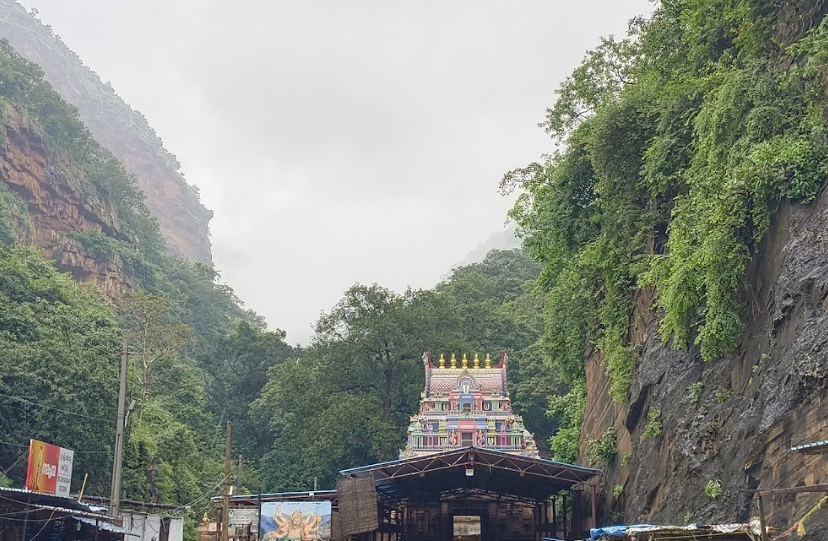
Welcome to the sacred land of Ahobilam, uniquely nestled within the dense and majestic Nallamala hills of Andhra Pradesh. As you approach this spiritual destination, the transition from the bustling towns of Nandyal or Allagadda into the serene, green embrace of the forest is truly an unforgettable experience.
Before you enter the core temple zones, you will need to cross the forest department check-posts. The journey from Lower Ahobilam (Diguva Ahobilam) to Upper Ahobilam (Eguva Ahobilam) spans approximately 8 kilometers through a scenic ghat road. Ensure your vehicle has enough fuel, as there are no petrol pumps deep within the temple premises. The air here is pure, filled with the chants of devotees and the rustling leaves of the ancient forest.
| Vehicle Fee | ₹150/- (Approximate entry fee for cars/SUVs) |
| Forest Fee | ₹50/- (Collected on the way to Upper Ahobilam per vehicle) |
| Tiffin/Breakfast | Available from 6:00 AM onwards (Located near Lower Ahobilam Bypass road and outpost road) |
02 Karanja Narasimha
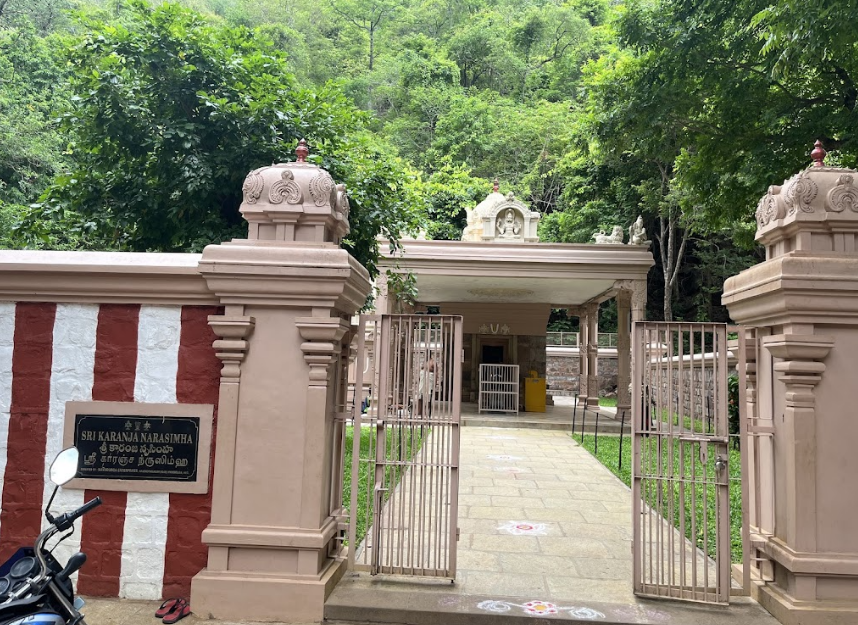
As you drive towards Upper Ahobilam, your first divine encounter will be with Lord Karanja Narasimha. This temple is situated beautifully amidst lush greenery, about 1 kilometer away from the Upper Ahobilam temple. The shrine derives its name from the surrounding 'Karanja' (Pongamia) trees, under which the Lord is believed to have manifested.
The uniqueness of this deity lies in His posture. According to legend, Lord Hanuman visited Ahobilam and wished to see Lord Rama. To fulfill Hanuman's desire, Lord Narasimha appeared here holding a bow (Dhanus) and an arrow, brilliantly blending the avatars of Rama and Narasimha into one majestic form. Taking a moment of silence here prepares your mind for the profound spiritual trek ahead.
03 Upper Ahobilam (Eguva)
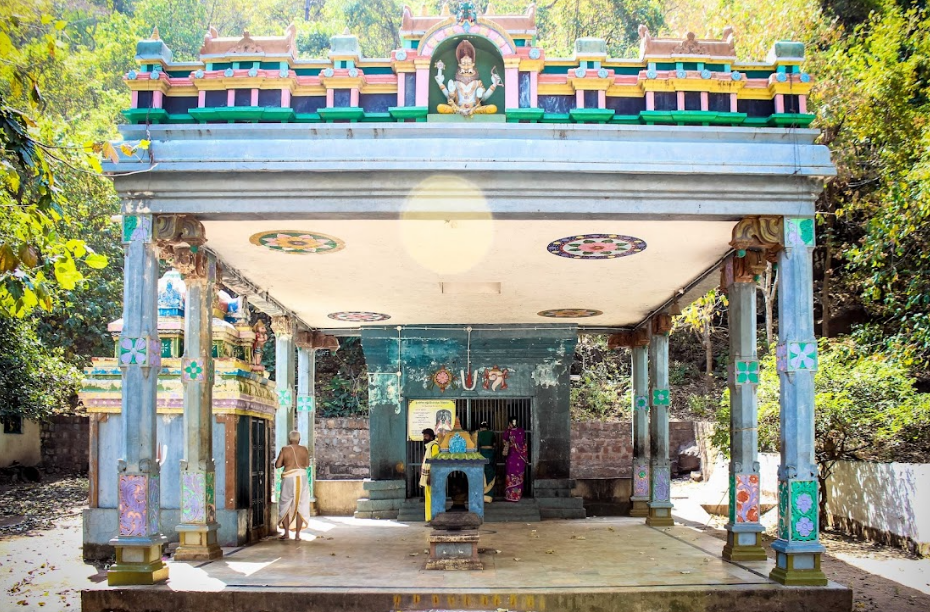
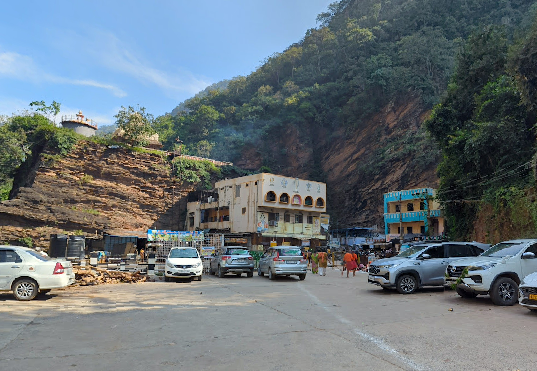
Upper Ahobilam, locally known as Eguva Ahobilam, is the epicenter of this holy pilgrimage. From the parking point, a short, spiritually uplifting 10-minute walk leads you to the majestic main entrance. This temple is carved directly into the natural rock face of the mountain, creating an awe-inspiring, cave-like sanctum sanctorum.
Here, Lord Narasimha is worshipped as 'Ugra Narasimha' (the fierce form) along with His consort, Chenchu Lakshmi, who pacified His anger after the slaying of the demon king Hiranyakashipu. The architecture here reflects the brilliant craftsmanship of the Vijayanagara empire, with intricately carved pillars and mandapams. The atmosphere is deeply meditative, filled with the continuous chanting of Vedic mantras.
| Darshan Timings | 7:00 AM - 1:00 PM | 2:00 PM - 7:00 PM |
| Special Darshan | ₹100/- (Free Darshan lines are also available) |
| Doli Service | Available for the full trek starting from here (Approx. ₹4000) |
04 The Sacred Trek into the Forest
The true essence of the Ahobilam Yatra lies in the adventurous trek through the Nallamala forest to visit the remaining Narasimha shrines. This trek tests both your physical endurance and spiritual devotion. Starting from the Upper Ahobilam temple, you will walk alongside the gurgling Bhavanasini river, navigating through rocky terrains, dense tree canopies, and ancient stone pathways.
A. Kroda (Varaha) Narasimha
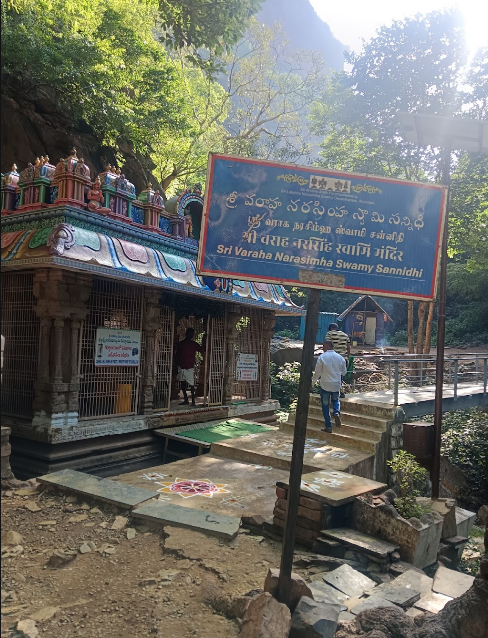
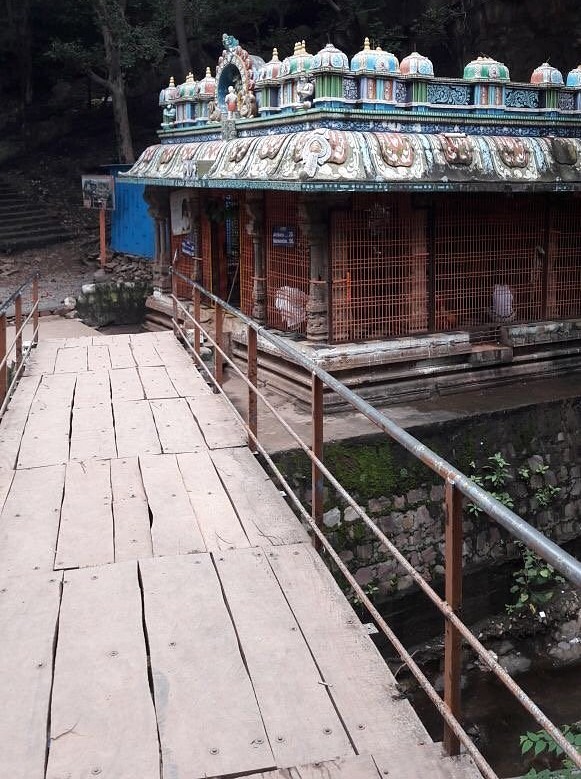
Just a short distance from the main Upper temple lies the shrine of Kroda Narasimha, also known as Varaha Narasimha. Legend states that after protecting Prahlada, the Lord took the form of a Boar (Varaha) to uplift the Earth (Bhumi Devi) from the cosmic ocean. The idol here beautifully depicts the Lord holding Bhumi Devi gently on His tusks. This spot serves as the crucial starting point for the challenging uphill trek.
Route Diversion at Varaha Temple:
From Kroda Narasimha, the pathway splits into two distinct trekking routes. You must choose based on your fitness level and available time.
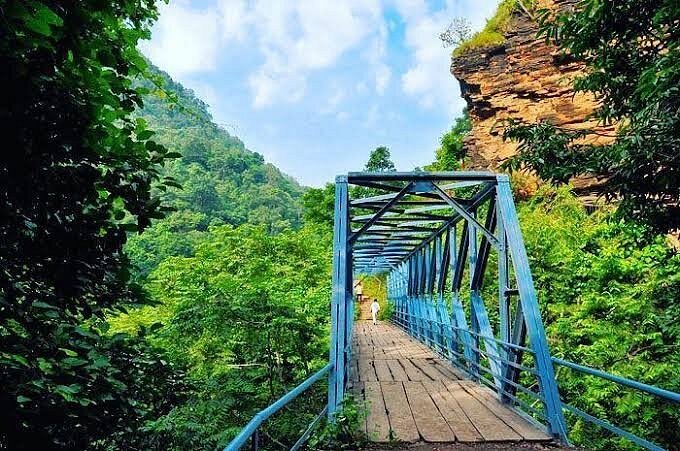
Pro Trekking Tip: For the best experience, take the difficult Jwala route (Left) first while your energy is high. Cross the iron bridge at the top, and then comfortably descend via the easier Malola steps (Right) on your way back.
B. Jwala & Malola Narasimha
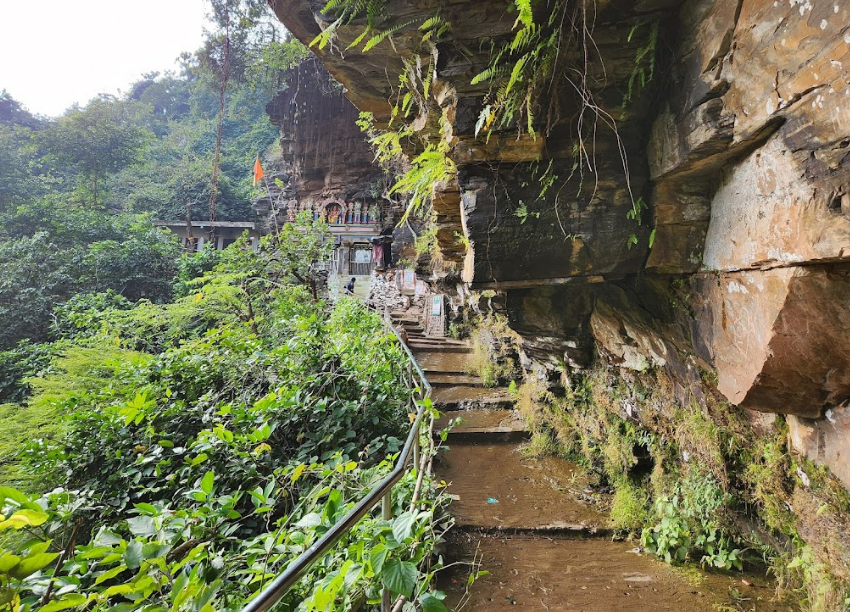
As you conquer the arduous steps of the left path, you will reach the highly revered Jwala Narasimha temple. This is believed to be the exact, powerful spot where Lord Narasimha emerged from the pillar and slayed the demon king Hiranyakashipu. A small pond nearby, called 'Raktha Kunda', is where the Lord washed His blood-stained hands, and the water here still holds a reddish hue. The aura here is incredibly powerful.
After Jwala, a connecting path leads you to Malola Narasimha. 'Ma' means Mother Lakshmi and 'Lola' means beloved. Here, the Lord is seen in a remarkably calm, peaceful state, affectionately blessing devotees alongside Goddess Lakshmi. The contrast between the fierce Jwala and the peaceful Malola perfectly captures the dual nature of the Divine.
05 Prahlada Badi (The Cave School)
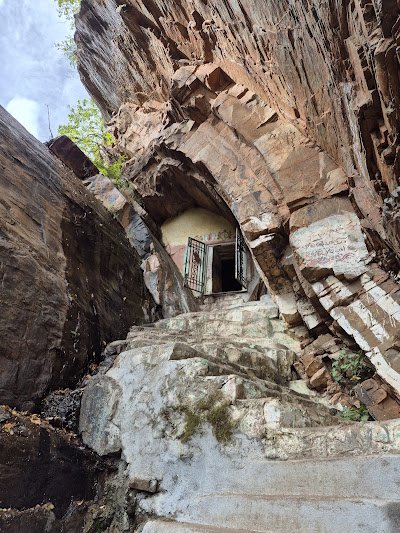
Located roughly 800 meters from the Malola temple, deep within the forest, is a mystical cave known as Prahlada Badi (Prahlada's School). According to local lore, this is the very spot where the young boy Prahlada was educated by his teachers, Chanda and Amarka. The natural rock formations inside this cavernous space remarkably resemble ancient slates and chalk pieces.
Standing inside this cave, overlooking the vast, breathtaking valleys of the Nallamala range, one can almost feel the echoes of young Prahlada chanting the name of Lord Narayana, defying his demonic father's orders. It is a place of deep historical and spiritual contemplation.
06 Ugra Sthambam (The Pillar of Origin)
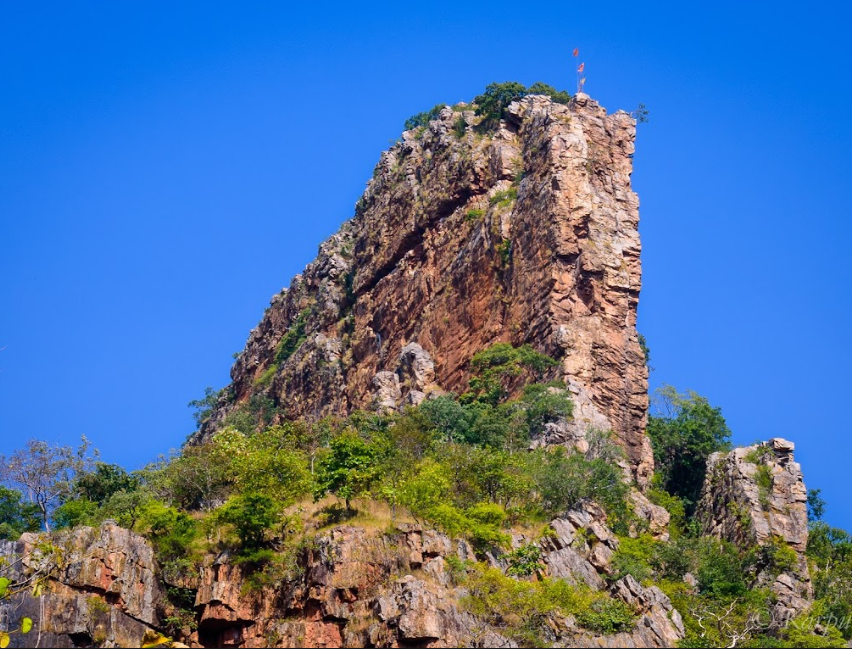
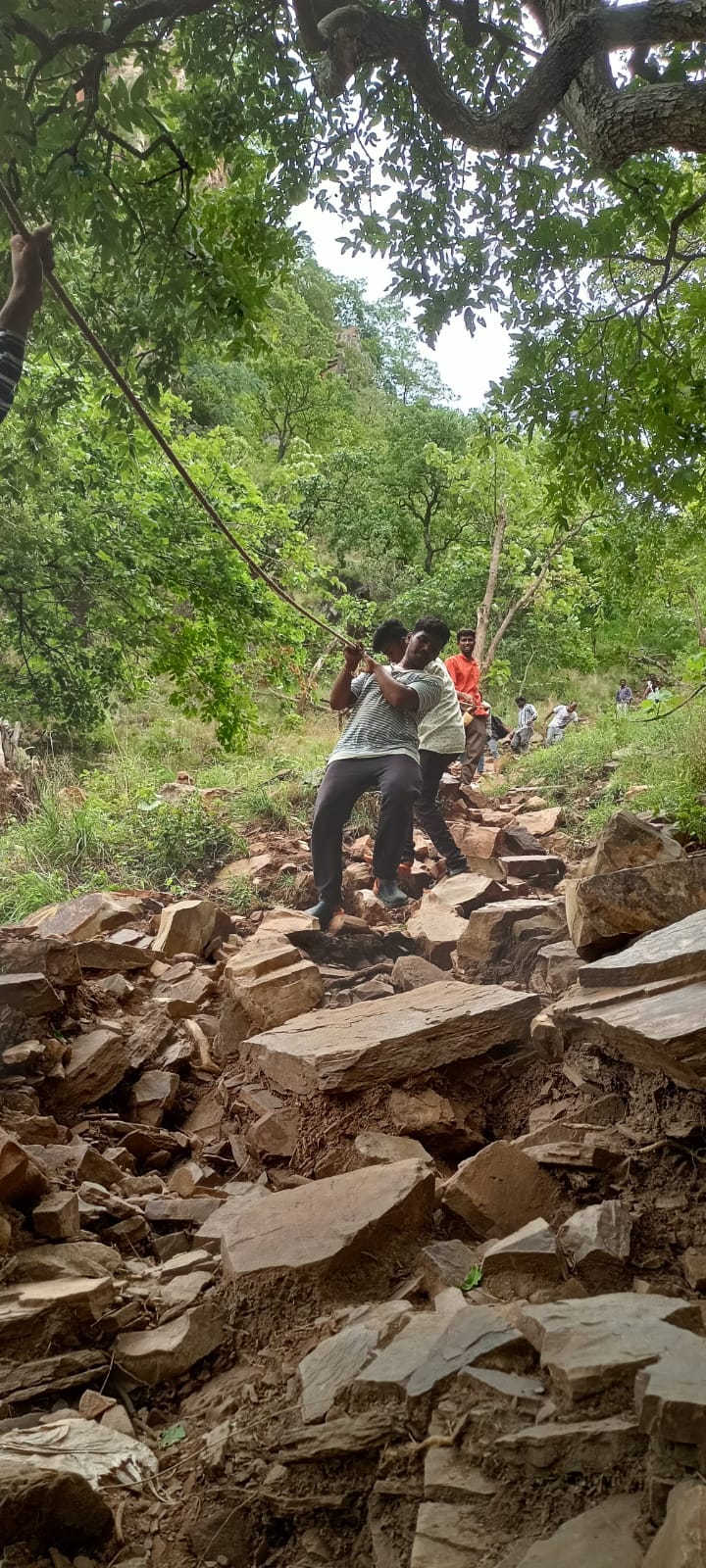
Ugra Sthambam is not a temple, but a towering, sheer vertical cliff-face that holds the highest significance in the Ahobilam legend. This is universally believed to be the exact pillar from which Lord Narasimha burst forth in His most terrifying (Ugra) form to protect His devotee. The trek to this peak is notoriously the most difficult part of the entire Yatra.
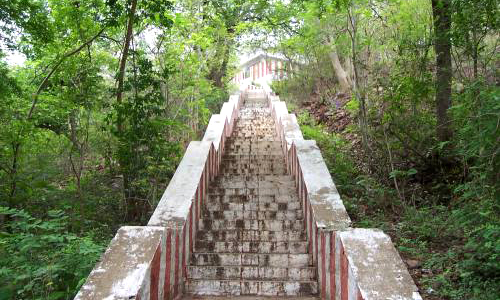
The path is narrow, extremely steep, and often requires pilgrims to climb using their hands, holding onto iron chains provided by the forest department. Reaching the cleft rock at the top and witnessing the footprint of the Lord is considered the ultimate test of devotion and physical endurance.
07 Annadhanam (Free Meals)
After a rigorous morning of trekking and seeking divine blessings, no pilgrim leaves Ahobilam hungry. The tradition of 'Annadhanam' (offering free food) is upheld with great respect here. Multiple charitable trusts and Satrams offer freshly cooked, highly nutritious, and pure vegetarian Satvik meals to all visiting devotees.
It is advised to complete your morning Darshan and reach the dining halls by 12:30 PM. The food served usually includes rice, sambar, rasam, a vegetable curry, and buttermilk—a perfect, comforting meal to recharge your energy.
Prominent Satrams include: Yogi Vemana Reddy Annasatram, Rayala Charitable Trust, Arya Vysya Satram, Brahmana Satram, and the Devasthanam's Nitya Annadhanam hall.
08 Pavana Narasimha (The Jeep Safari)
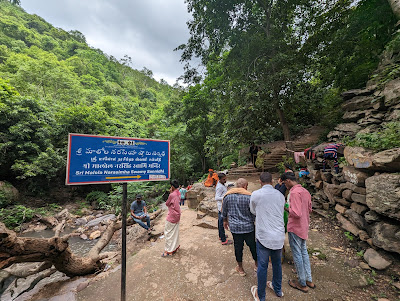
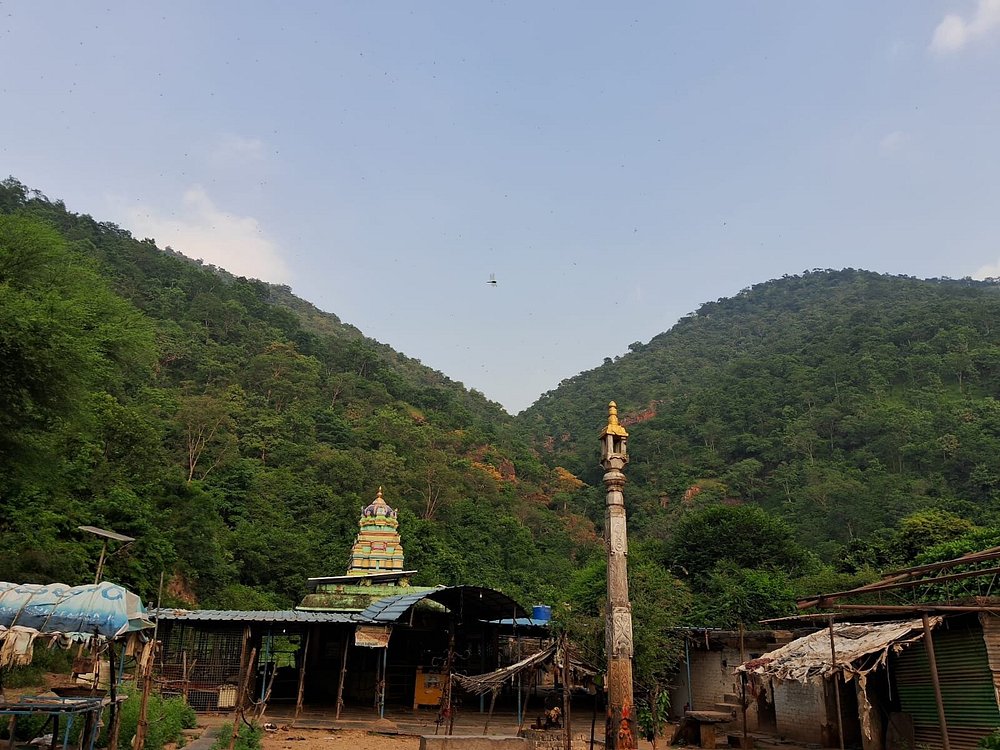
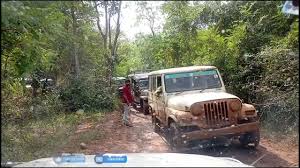
Unlike the temples on the main trekking route, Pavana Narasimha Swamy temple is situated deep within the core tiger reserve area of the Nallamala forest, right on the serene banks of the river Pavana. To reach this remote shrine, walking is extremely difficult and time-consuming. Instead, pilgrims must hire specially modified local 4x4 Jeeps from Lower Ahobilam.
The 45-minute jeep ride is a thrilling off-road adventure through dense foliage, bumpy muddy tracks, and small streams. The deity here is historically associated with Shakta worship traditions, and local tribes hold profound reverence for this specific shrine, often referring to it as 'Kshetra Ratna' (The Jewel of the Pilgrimage).
09 Bhargava Narasimha (Jeep Route)
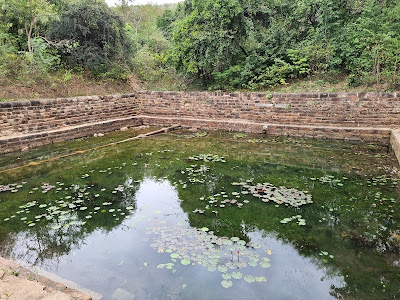
Another temple accessible primarily by the local jeep services is Bhargava Narasimha. This sacred shrine is located near a holy pond named 'Akshaya Theertham'. According to the Puranas, Lord Parashurama (who belonged to the Bhargava lineage) performed intense penance at this exact spot, requesting Lord Narasimha to manifest. Pleased with his devotion, the Lord appeared, and hence the temple bears the name Bhargava Narasimha.
The journey to this temple is slightly shorter than Pavana but equally scenic, taking you through thick bamboo groves and challenging muddy paths. The quiet, undisturbed environment around the Akshaya Theertham pond offers a perfect setting for meditation and spiritual reflection.
10 Lower Ahobilam (Sri Prahlada Varada Swamy)
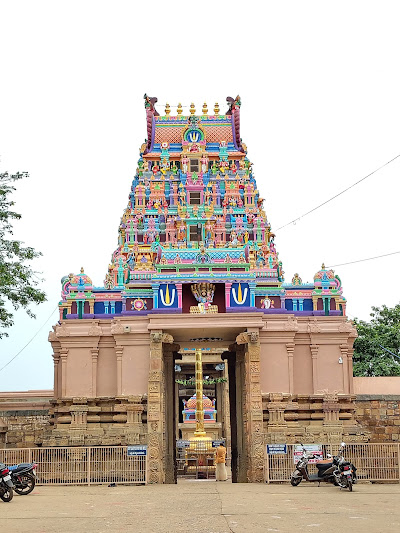
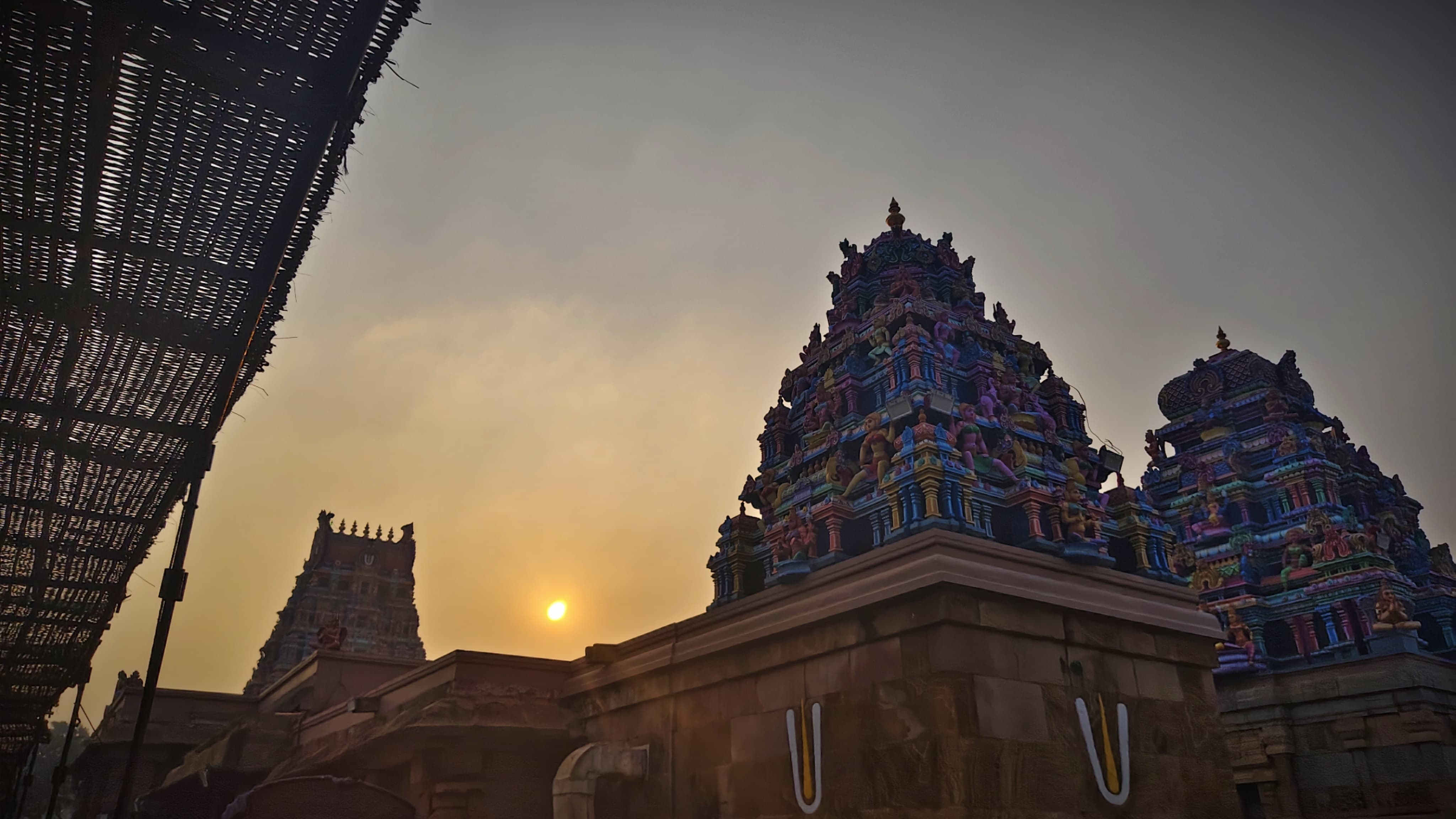
Your complete Ahobilam Yatra typically concludes, or sometimes begins, at the magnificent Lower Ahobilam temple, situated in the town area at the foothills. Here, the Lord is worshipped as 'Sri Prahlada Varada Swamy'—the benevolent deity who showered endless boons upon His beloved devotee, Prahlada. Unlike the fierce forms in the upper hills, the deity here is a 'Shantha Murthy', radiating calmness and grace.
This temple is an architectural marvel of the Vijayanagara period, featuring sprawling courtyards and the breathtaking Kalyana Mandapam with highly intricate pillar carvings. A significant highlight here is the grand 'Gopuja' (cow worship) performed very early in the morning. Additionally, this temple acts as the secure repository for the 'Utsava Murtis' (processional deities) of all the Nava Narasimhas from the upper hills.
| Morning Gopuja | 5:50 AM - 6:10 AM (A must-watch spiritually uplifting experience) |
| Darshan Timings | 6:30 AM - 1:00 PM | 3:00 PM - 8:00 PM |